
Iceland in Winter vs. Summer: When Should You Visit?
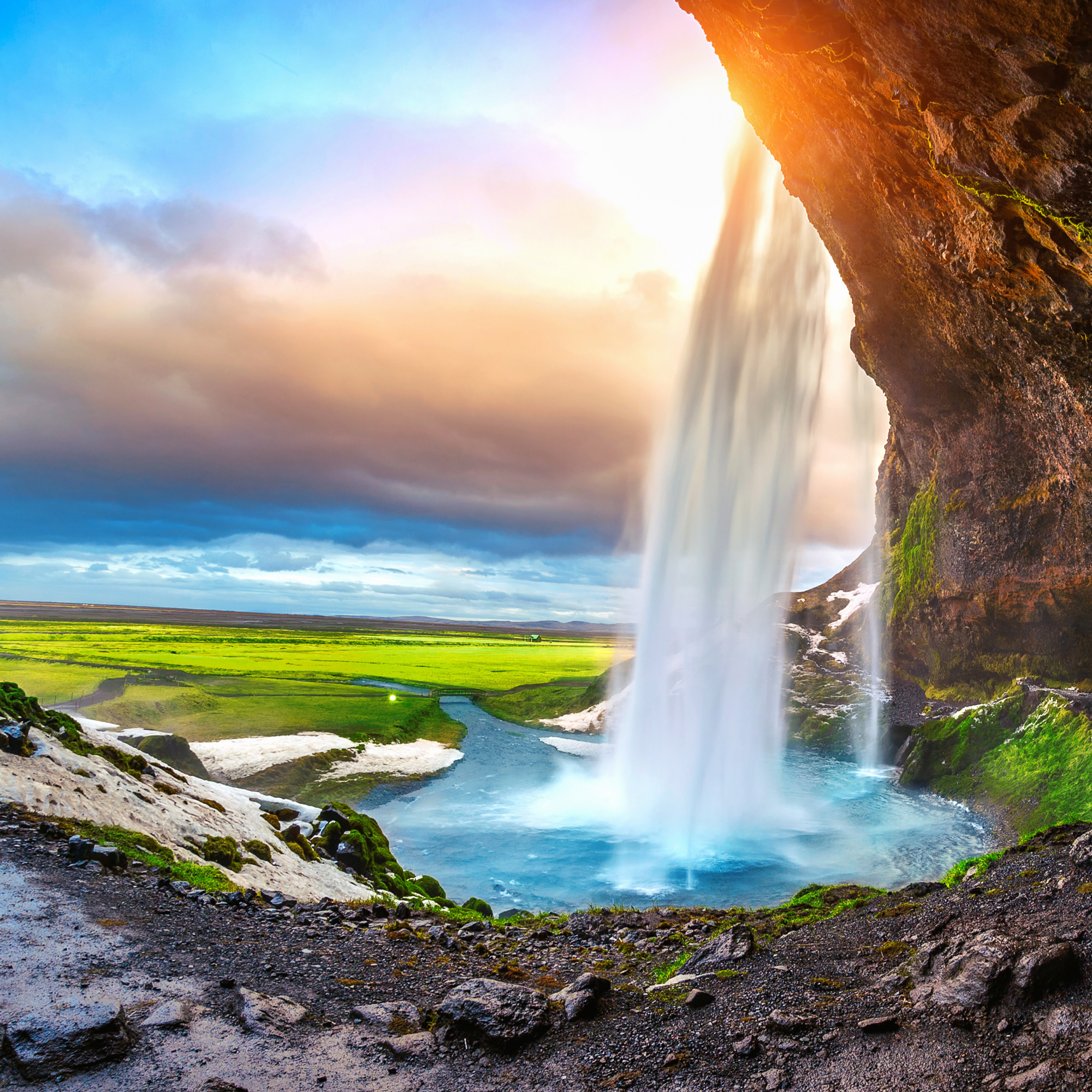
Iceland is a destination of breathtaking landscapes, natural wonders, and unique adventures no matter the season. However, visiting in winter versus summer offers vastly different experiences. So, when is the best time to go? That depends on what you’re looking for in your Icelandic adventure.
Winter in Iceland: A Snowy Wonderland
Winter in Iceland, from November to March, transforms the country into a frozen paradise with snowy mountains, icy waterfalls, and dark skies illuminated by the Northern Lights.
Why Visit in Winter?
Northern Lights Viewing - Winter’s long nights provide the best chance to witness the magical aurora borealis dancing across the sky.
Glacier Adventures - Ice caves and glacier hikes are at their peak accessibility during winter.
Fewer Crowds - Compared to summer, Iceland sees fewer tourists, allowing for a more serene experience at popular sites.
Winter Wonderland Landscapes - Snow-covered mountains and frozen waterfalls create a stunning, otherworldly atmosphere.
Challenges of Visiting in Winter
Harsh Weather - Cold temperatures, strong winds, and snowstorms can make travel difficult.
Limited Daylight - With as little as 4-5 hours of daylight, sightseeing time is restricted.
Road Closures - Some highland roads and attractions may be inaccessible due to snow and ice.
Summer in Iceland: The Land of the Midnight Sun
From June to August, Iceland experiences nearly 24 hours of daylight, warmer temperatures, and open access to all its natural wonders.
Why Visit in Summer?
Midnight Sun - Extended daylight hours mean more time for exploring and capturing stunning landscapes.
Ideal for Road Trips - The famous Ring Road and highland routes are fully open, allowing for a complete exploration of Iceland’s diverse scenery.
Wildlife Watching - Summer is the best time to spot puffins, whales, and other wildlife.
Warmer Weather - While still cool, summer temperatures are much milder compared to winter, making outdoor activities more comfortable.
Challenges of Visiting in Summer
More Tourists - Iceland sees a significant increase in visitors, making some attractions more crowded.
Higher Prices - Flights, accommodations, and car rentals tend to be more expensive during peak season.
No Northern Lights - With constant daylight, the aurora borealis is not visible.
So, When Should You Visit?
Your ideal travel season depends on what you hope to experience in Iceland:
Choose winter if you dream of seeing the Northern Lights, exploring ice caves, and enjoying a snowy wonderland.
Choose summer if you prefer long days, road-tripping through lush landscapes, and wildlife spotting.
Whichever season you choose, Iceland offers an unforgettable adventure. Click HERE to start planning your Icelandic journey with Two Sisters Travel today!