
Planning Winter Alaska Trip? Here’s What I Learned Traveling There
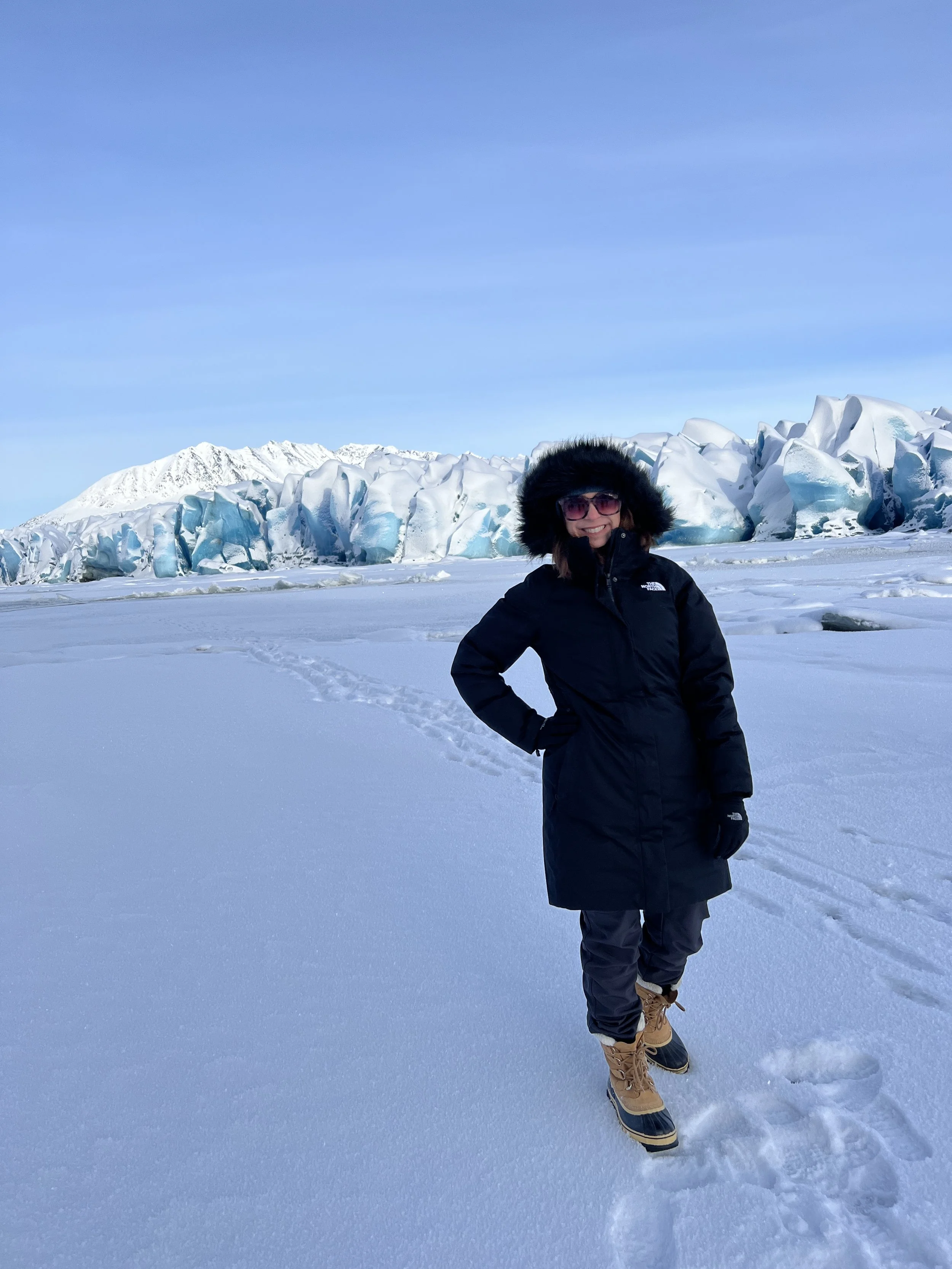
Last February, I did something I'd been meaning to do for years: I went to Alaska in the dead of winter. Not as a tourist checking boxes, but as a travel advisor trying to understand what this trip actually feels like when you're living it day by day.
I wanted to know how cold really affects your energy, which activities live up to the hype, and where well-intentioned itineraries quietly fall apart. Because here's the thing—winter Alaska isn't hard to sell. It's just hard to plan well.
Here's what I discovered.
Why I Chose Anchorage as My Base
Most people picture Alaska and think remote wilderness. But I based myself in Anchorage, and it turned out to be one of the smartest decisions of the trip.
Anchorage gets overlooked, but as a winter hub, it's incredibly strategic. I was within 1-2 hours of dog sledding, snowmobiling, winter trails, and glacier access—but every night I returned to a warm, comfortable hotel, good restaurants, and reliable infrastructure.
After a day in the cold, it really mattered.
What Winter in Alaska Actually Feels Like
Here's what no blog post prepared me for: cold is cumulative.
The first morning, 15°F feels manageable. By day three, that same temperature feels heavier. You're slower getting ready. Transitions take longer. Small tasks—layering up, warming the car, even just being outside—require more energy than you'd think.
This isn't a complaint. It's just reality. And it's why pacing matters so much.
I also learned that daylight changes everything about how you structure your day. In January, I had about 5-6 hours of usable daylight. That sounds limiting, but it actually worked perfectly—it forced me to be intentional about daytime activities and left long, dark evenings free for Northern Lights attempts.
The other surprise? Comfort isn't optional. After a full day snowmobiling in sub-zero wind chill, coming back to a warm room, a hot meal, and the ability to fully thaw out wasn't a luxury—it was what made me excited to go back out the next day.
The Activities: What They're Really Like
Dog Sledding
This was the experience I was most excited about, and it delivered.
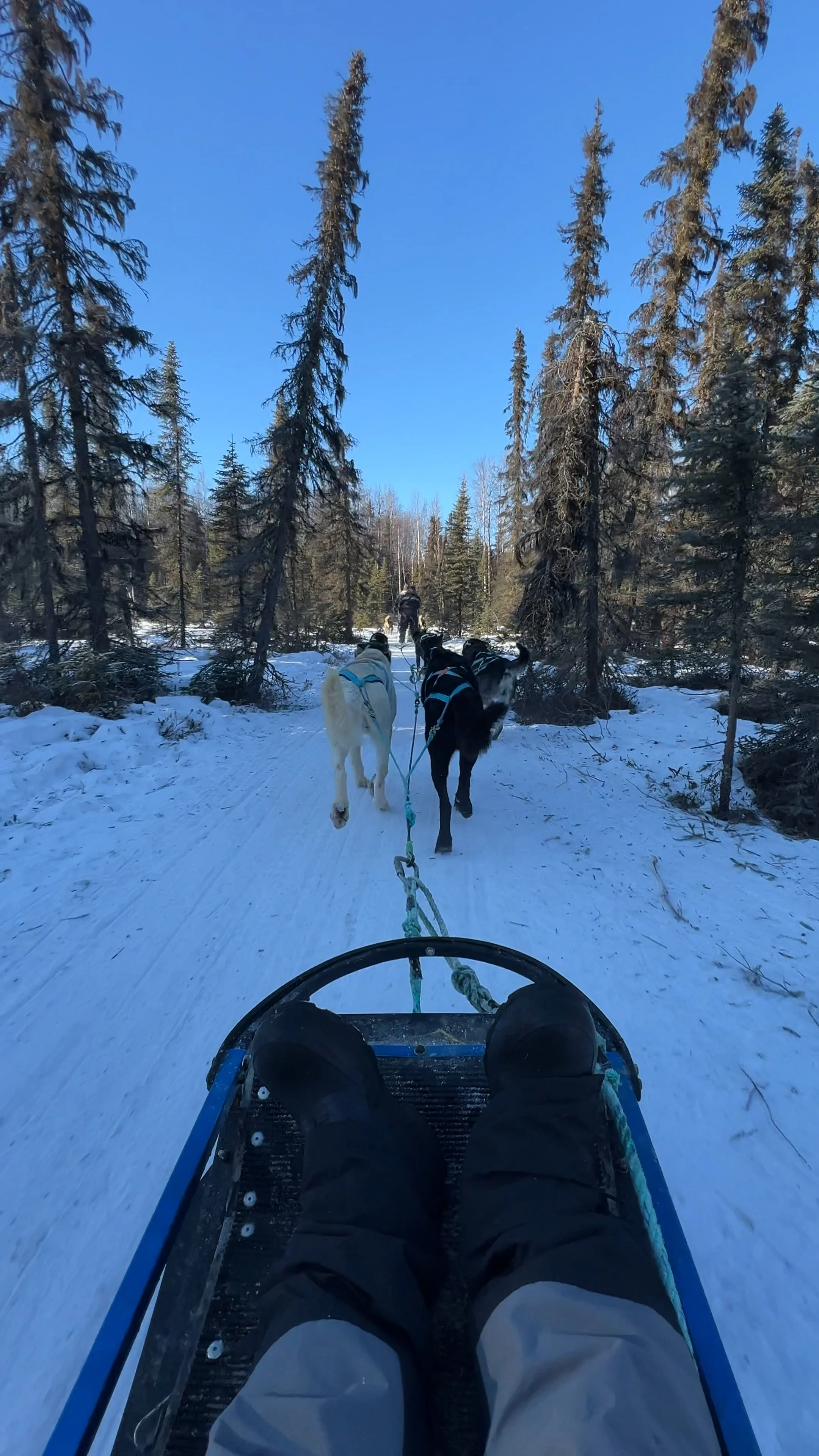
What struck me wasn't just the ride—it was everything around it. Meeting the dogs, learning about mushing culture, the profound quiet of moving through snow-covered forest. It's immersive in a way that feels authentic, not performative.
The reality check: It's moderately physical. You're standing on the runners, sometimes helping push, and you're out in the cold for 2-3 hours. I scheduled this mid-morning and left the afternoon light—it was perfect pacing.
Planning takeaway: Don't stack this with another big activity the same day. Let it breathe.
Snowmobiling
I went into this thinking it would be pure adrenaline. And yes, racing across open snowfields and weaving through backcountry terrain was exhilarating—but it was also surprisingly exhausting.
Three hours of sustained cold, focus, and vibration from the machine adds up. By the time I got back, I was wiped.
The reality check: This is a full-day energy commitment. I made the mistake of scheduling a Northern Lights tour that same evening, and I was dragging.
Planning takeaway: Give yourself a recovery day after snowmobiling. Pair it with lighter activities before and after.
Winter Forest Hiking
This ended up being one of my favorite low-key experiences.
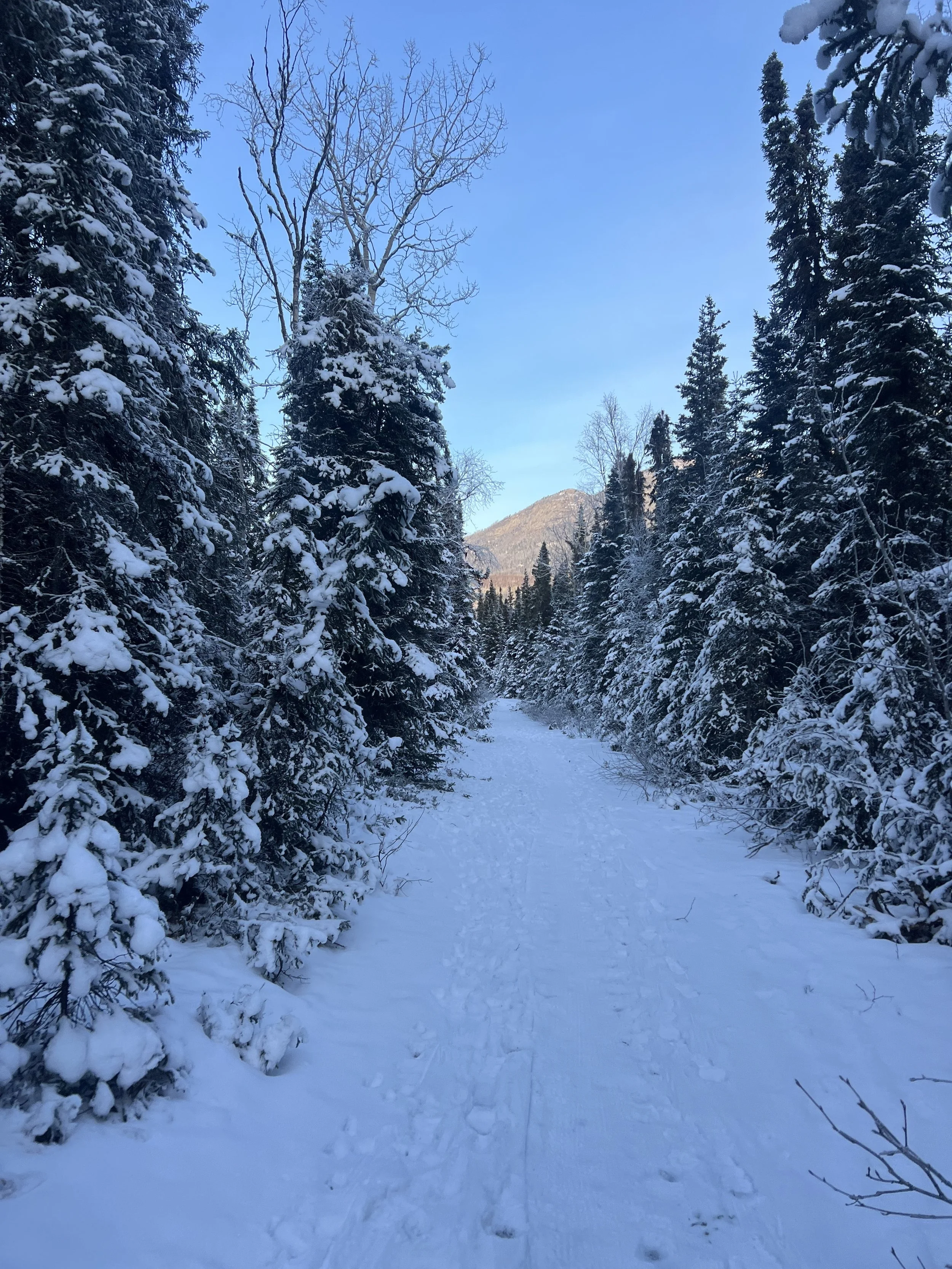
Walking through snow-laden forest near Anchorage—quiet, slow, meditative—was grounding in a way I didn't anticipate. The silence is profound. The light filtering through frosted trees is beautiful. And it required almost no logistical effort.
Planning takeaway: Use this as your buffer activity. It's perfect for arrival days, recovery days, or mornings before bigger afternoon plans.
Helicopter Tour with Glacier Landing
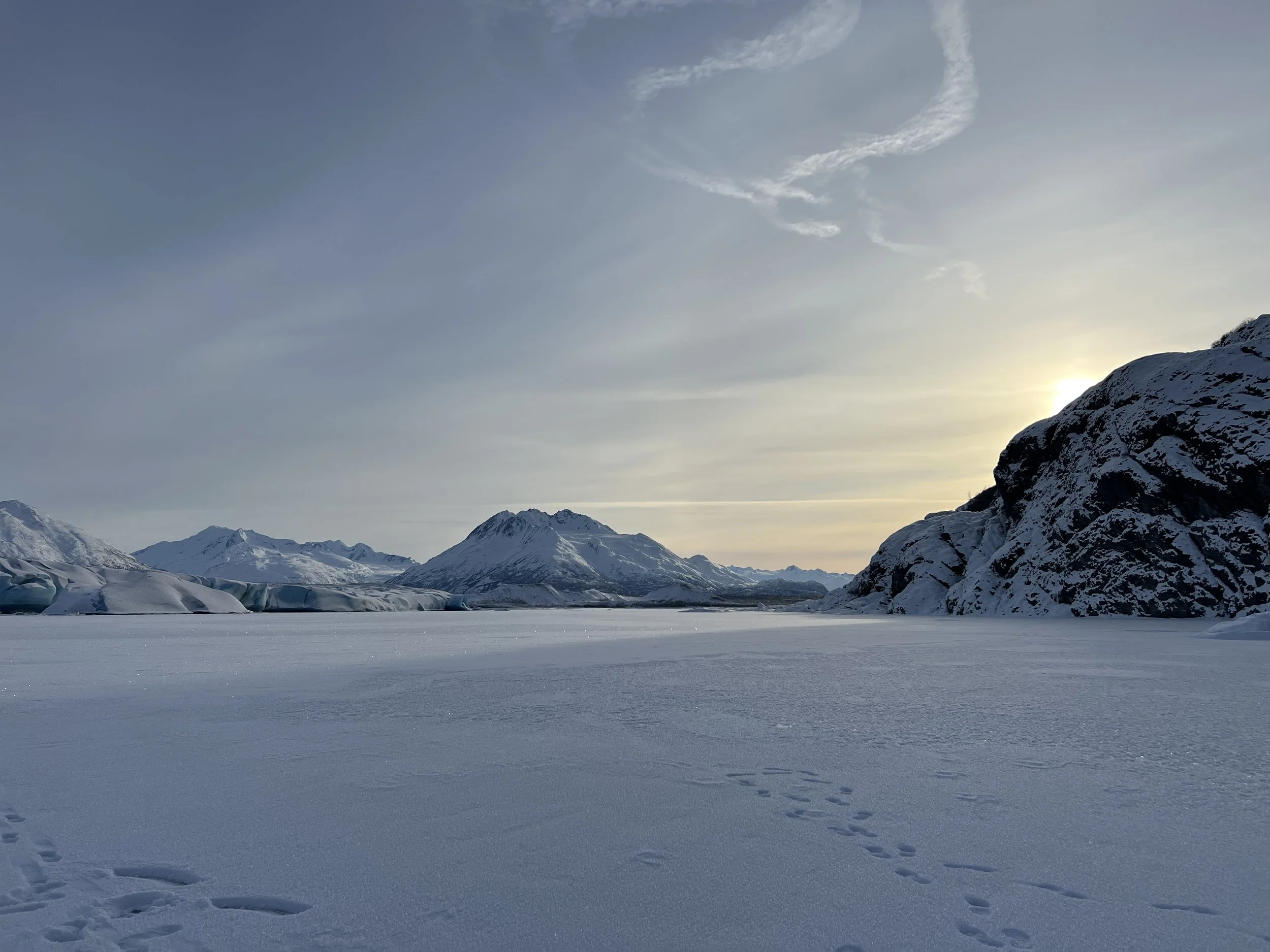
When this works, it's unforgettable. Flying over peaks and glaciers, landing on ancient ice, standing in complete wilderness—it's as epic as it sounds.
But here's what I learned: weather cancellations are real.
My first scheduled flight got scrubbed due to cloud cover. Thankfully, I'd built in flexibility and rescheduled two days later. That second attempt worked, and it was worth the wait—but if I'd only had one shot at it, I would've been disappointed.
Planning takeaway: Never make this your only anchor experience. Schedule it mid-trip so you have buffer days on both sides for rescheduling.
Northern Lights Viewing
I had four nights with Northern Lights attempts. I saw them on two of those nights—one faint, one vivid.
The vivid night was magical. But honestly? The trip would've been satisfying even without aurora at all, because I'd planned daytime experiences that stood on their own.
The reality check: Aurora is unpredictable. Cloud cover, solar activity, and timing all matter. You can do everything right and still see nothing.
If you're trying to decide between chasing the lights actively or viewing from a single location, I break down the pros and cons of each approach here.
Planning takeaway: Build in 3-4 viewing opportunities minimum. Design your trip so it's rewarding regardless of what the lights do.
Anchorage Food Tour
This was the sleeper hit of my trip.
After several cold, adventure-heavy days, spending an evening on a warm, social, low-effort food tour was exactly what I needed. We walked downtown, sampled local restaurants, learned about Anchorage's food scene—and I didn't have to think about logistics or bundle up for hours in the cold.
Planning takeaway: Recovery experiences aren't filler. They're essential. Schedule these strategically between high-energy days.
How This Changed How I Plan Alaska Trips
After living this itinerary, I plan winter Alaska completely differently now.
I build in way more breathing room. Consecutive high-energy days sound good on paper, but in practice, they compound fatigue fast. Now I space dog sledding, snowmobiling, and helicopter tours across multiple days with recovery activities in between.
I prioritize flexibility over optimization. The best day of my trip wasn't the one that went exactly as planned—it was the day I had space to adapt when weather shifted. Rigid itineraries feel stressful. Flexible ones feel freeing.
I design for energy patterns, not just interests. Cold drains you faster than you expect. Front-loading your trip with intense activities leads to burnout by day five. I now structure itineraries with lighter starts, strategic recovery days, and realistic pacing throughout.
I emphasize comfort as part of the experience. Warm lodging, reliable transportation, and realistic meal timing aren't "nice to haves"—they're what make adventure sustainable. When you're properly rested and warm, you enjoy activities more.
My 7-Day Winter Alaska Itinerary (What Actually Worked)
Here's how I'd structure it now based on what I learned:
Day 1: Arrive Anchorage, settle in, evening Northern Lights tour
Day 2: Winter forest hike (morning), explore Anchorage (afternoon)
Day 3: Dog sledding (morning/early afternoon), rest evening
Day 4: Anchorage food tour or museum, Northern Lights attempt
Day 5: Snowmobiling (full day adventure)
Day 6: Recovery morning, helicopter tour (weather permitting)
Day 7: Departure
This pacing allows for cold acclimation, spaces out energy-intensive activities, includes recovery time, and builds in weather flexibility.
The Bottom Line
Winter Alaska is extraordinary—but it rewards thoughtful planning.
The cold is real. Weather impacts plans. Energy depletes faster than you expect. But when you account for these realities instead of fighting them, the experience becomes sustainable, enjoyable, and genuinely memorable.
I went to Alaska to become a better planner. I came back knowing that the best itineraries aren't the ones that pack in the most activities—they're the ones that protect your ability to enjoy each experience fully.
If you're considering winter Alaska and want help designing an itinerary based on real conditions (not just marketing photos), I'd be happy to share what I've learned.
Start Planning Your Alaska Winter Trip
Have you been to Alaska in winter? What surprised you most? Drop a comment below—I'd love to hear about your experience.