
Alaska Northern Lights: How to Plan the Right Trip
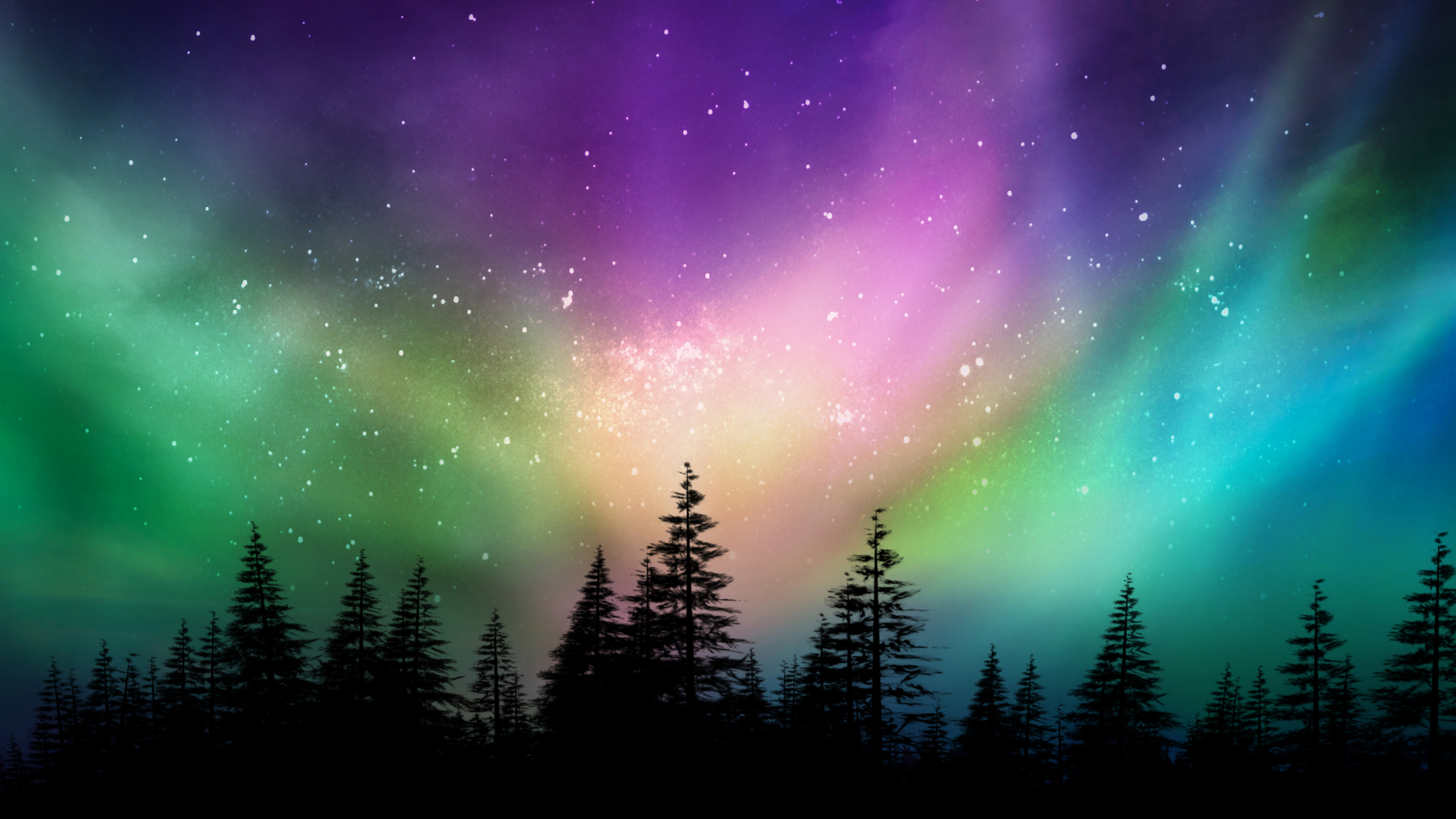
Seeing the Alaska Northern Light is one of those experiences people dream about for years — and then rush to plan once they finally commit.
And that’s where most disappointments begin.
Not because Alaska isn’t incredible — it absolutely is — but because successful Alaska Northern Lights trips depend on timing, location, and planning, not luck.
I learned this firsthand during my recent winter Alaska trip, where I experienced both the magic of vivid aurora displays and the reality of weather-dependent planning. Here's what that experience taught me about designing trips that work.
This guide breaks down what actually matters when planning an Alaska Northern Lights trip — and how to design one that feels magical and manageable.
Why Alaska Is One of the Best Places to See the Northern Lights
Alaska sits directly under the Auroral Oval, making it one of the most reliable places in the world to see the aurora borealis.
But reliability doesn’t mean guarantees.
Strong Alaska Northern Lights experiences come down to four planning factors:
Seasonality (not all winter months perform the same)
Geography (where you stay matters more than where you fly)
Weather patterns & cloud cover
How your itinerary is structured
Miss one of these, and even a high solar forecast won’t save the trip
Best Time to See the Alaska Northern Lights
Northern Lights season in Alaska runs roughly from late August through early April.
That doesn’t mean every month offers the same experience.
Peak Viewing Windows
September–October: Early season, milder temps, fall colors, fewer crowds
February–March: Prime aurora activity, deeper winter experiences, best balance of darkness and weather
Months That Require Extra Planning
November–January: Coldest temperatures, fewer daylight hours, and more weather disruptions
👉 This is where expectations matter.
If someone expects a Northern Lights trip to feel like a cozy winter escape and wants daytime sightseeing, certain months are better than others.
Where to See the Alaska Northern Lights
Northern Lights visibility isn’t just about being in Alaska — it’s influenced by:
Light pollution
Local weather patterns
How easily you can move or adjust plans from night to night
This is why successful Northern Lights trips are planned around bases and regions, not just dates on a calendar.
Common Aurora-Friendly Base Options
Interior Alaska regions with drier climates and higher success rates
Lodge-based stays outside town, designed specifically for aurora viewing
Remote Arctic locations for travelers prioritizing sightings over amenities
Each option shapes:
How many viewing opportunities you realistically have
What daytime experiences are accessible
How comfortable and flexible the trip feels overall
And many travelers don’t realize there are different approaches to seeing the aurora and how this impacts where you stay — some trips are built around actively chasing the lights, while others prioritize structured viewing and comfort.
Northern Lights Chasing vs Viewing: What’s Right for Your Alaska Trip?

Should You Chase the Northern Lights or Stay in One Place?
Not all Northern Lights trips are the same.
Some travelers want to actively chase the lights, moving locations based on forecasts.
Others prefer structured viewing, with guided outings, warm lodges, and backup plans.
Neither is better — but choosing the wrong approach can lead to disappointment.
If your priority is:
Comfort and predictability → Viewing-focused itineraries work best
Maximizing sightings at all costs → Chasing-based itineraries make sense
(And yes — this choice impacts cost, pacing, and stress level.)
Choosing the right travel style is one of the most important decisions in high-investment trips — and it’s often where professional guidance prevents disappointment.
Choosing a Travel Advisor Is About Managing Risk, Not Just Saving Money
What Else Should You Plan Around a Northern Lights Trip?
While the Northern Lights are the headline — they shouldn’t be the only reason the trip works.
One of the biggest mistakes I see is people building their entire trip around aurora. During my winter Alaska experience, I learned that the best trips have strong daytime activities that stand on their own, making Northern Lights a bonus rather than the sole focus.
Well-designed itineraries layer in daytime experiences that still feel special even if the aurora doesn’t cooperate.
Popular additions include:
Dog sledding or mushing experiences
Snowmobiling and ice fishing
Hot springs visits
Wildlife viewing (season dependent)
Cultural and indigenous experiences
This is where professional planning adds real value — balancing adventure, recovery time, and cold-weather logistics.

How Many Days Do You Need for an Alaska Northern Lights Trip?
Short trips increase risk.
Most successful Northern Lights itineraries include:
4–6 nights minimum in aurora-friendly regions
Multiple viewing opportunities
Built-in flexibility for weather
Trips shorter than this often rely on luck rather than planning.
What Are the Most Common Alaska Northern Lights Planning Mistakes?
These come up again and again:
Choosing dates based on vacation time instead of aurora conditions
Booking city hotels without considering light pollution
Overpacking activities and exhausting travelers
Expecting guaranteed sightings
Underestimating cold-weather logistics
Avoiding these mistakes is less about insider secrets — and more about experience.
Is an Alaska Northern Lights Trip Worth It for You?
This trip can be incredible — but it’s not a “show up and it happens” experience.
Northern Lights travel is a great fit if you:
Can build in multiple nights (more nights = more chances)
Prefer planning with flexibility (weather is part of the equation)
Want an itinerary that still feels worth it even if the aurora is shy one night
Care about comfort and pacing in cold-weather conditions
It may not be the best fit if you:
Only have 1–2 nights to work with
Need a guarantee you’ll see the lights (no destination can promise that)
Prefer a trip with tight, fixed schedules and no room to adjust
The good news: if you’re not sure where you fall, that’s normal.
A quick planning conversation can clarify whether Alaska is the right Northern Lights experience for your travel style — and if it is, what timing and itinerary structure gives you the best odds.
If you’re still weighing whether professional planning makes sense, this guide explains what actually matters when evaluating support for complex trips.
Ready to Start Planning an Alaska Northern Lights Trip?
Designing a successful Northern Lights trip isn’t about copying an itinerary from the internet.
It’s about aligning:
Timing
Location
Travel style
Comfort level
Backup experiences
That’s exactly where professional planning makes the difference.
If you’re considering an Alaska Northern Lights trip and want help designing it the right way, you can request planning information below.
👉 Request Alaska Northern Lights Trip Planning Information
(We’ll help you determine timing, locations, and whether this experience is the right fit before you commit.)
Top Alaska Northern Lights Experiences
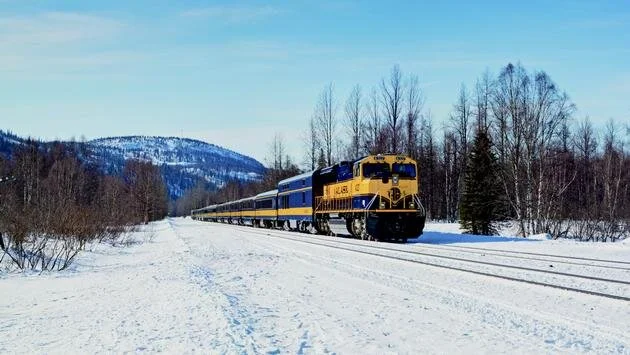
1. Aurora Train
Weeklong itinerary from Anchorage to Fairbanks includes guided sled dog tour, views of majestic Denali, and Aurora viewing
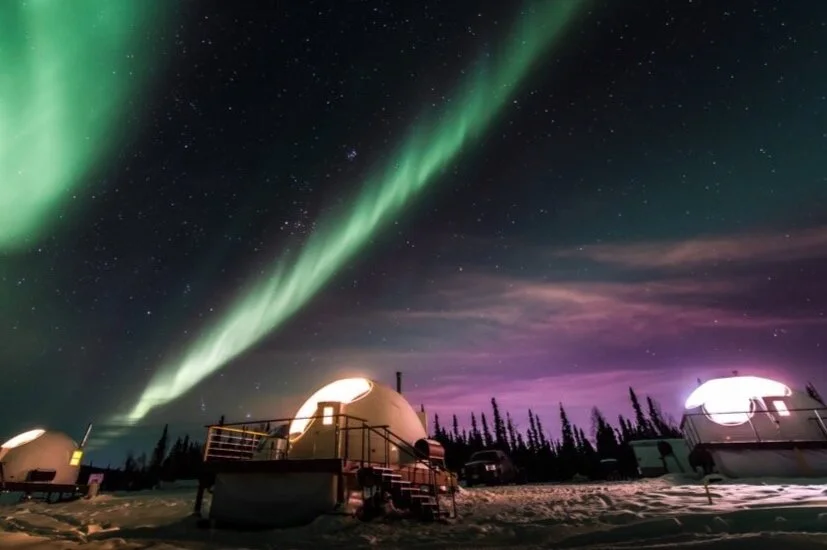
2. Igloo Accommodations
Enjoy a panoramic view of the aurora borealis from your heated, fiberglass igloo. 3-Night packages include dog sledding and snowmobiling.

3. Chena Hot Springs
Soak in natural geothermal hot springs under some of the aurora’s most active bands in the Fairbanks area. 3-Night packages include unlimited access to hot springs & nightly aurora tours.
Northern Lights trips are unforgettable — when they’re planned intentionally.
If you want your Alaska experience to feel awe-inspiring instead of stressful, thoughtful planning is the difference-maker.